| |
| |
|
| |
|
| |
|
| |
| PRESIDENT RAMAPHOSA UNDERTAKES WORKING VISIT TO SPAIN |
|
| |
 |
|
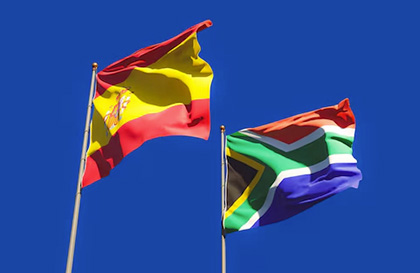
| President Cyril Ramaphosa undertook a Working Visit to the Kingdom of Spain on Wednesday night, 15 April 2026. |
|
|
| |
“His Excellency President Cyril Ramaphosa is this evening undertaking a working visit to the Kingdom of Spain, where the President will have an audience with the King of Spain, His Majesty Felipe VI, and a bilateral engagement with the President of the Government of Spain, His Excellency Dr Pedro Sánchez,” The Presidency said on Wednesday night.
In his weekly newsletter, which reflected on the recently concluded sixth South Africa Investment Conference, President Ramaphosa stated that he would be visiting the European country this week.
In Monday’s weekly newsletter, President Ramaphosa said South Africa’s investment drive does not start and end with the investment conferences.
“We continue with our outward investment missions in search of new markets and to consolidate existing trade ties. We continue to convene structured business forums on the sidelines of bilateral engagements, including state visits and bi-national commissions. As we have done in the past, we continue to prioritise targeted, one-on-one engagements with investors during international trips,” he said.
Bilateral trade between South Africa and Spain grew by 9.7% from US$3.1 billion in 2022 to US$3.4 billion in 2023. Previously, The Presidency stated that there had been steady investment in South Africa by Spanish companies, while South African companies have also looked to Spain as an investment destination in the real estate sector.
More than 150 Spanish companies have invested in South Africa, creating over 20,000 jobs across various sectors.
Prime Minister Sánchez visited South Africa in October 2022.
The President’s Working Visit reaffirms the strong diplomatic relations and partnership between the Kingdom of Spain and South Africa and will explore opportunities to strengthen people-to-people ties.
– Source: SAnews.gov.za |
|
| |
|
| |
| SOUTH AFRICA COMMITTED TO RESETTING DIPLOMATIC RELATIONS WITH US |
|
| |
| While trade relations between South Africa and the United States (US) face several challenges, President Cyril Ramaphosa says the government is committed to rebuilding political and diplomatic relations with the US. |
|
|
 |
|
| |
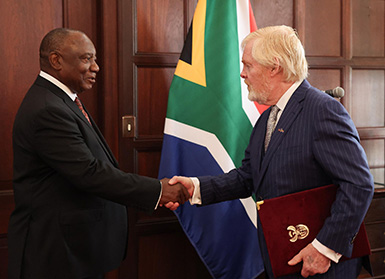
Speaking at the American Chamber of Commerce South Africa Annual General Meeting on Thursday, 9 April 2026, the President said he has been engaging the new US Ambassador to South Africa, Ambassador Bozell, on efforts to repair the strained diplomatic relations.
“Yesterday, I had the pleasure of receiving the credentials of the new US Ambassador to South Africa, Ambassador Bozell.
“Through the engagements that have taken place since his arrival in the country, I believe we have made progress in developing a common understanding of the issues that continue, for the moment, to define our relationship,” the President said in Johannesburg.
He added that Ambassador Bozell has made deepening commercial trade between the two countries a priority.
“I understand that the Ambassador wants to double the amount of US companies operating in South Africa. This is an ambition that we wholeheartedly support and that we hope to work together to achieve,” President Ramaphosa said.
The President emphasised that South Africa is committed to working with US businesses to deepen cooperation and open up new opportunities as the government pursues the strategic priority of driving inclusive growth and creating employment.
The US is a major source of foreign direct investment in South Africa, with more than 600 American companies operating in the country. It is estimated that these companies employ over 250,000 South Africans.
“The US administration has been forthright in its assessment of our trade relations, and we welcome its willingness to engage with South Africa to address concerns. Recently we have had several positive signals from the US.
“We recently held a critical minerals forum in Washington with key US government departments and business,” President Ramaphosa said.
South Africa is actively engaged with various committees, both in the House and the Senate, on the renewal of the African Growth and Opportunity Act (AGOA).
AGOA is a piece of legislation that was passed by the US Congress in May 2000 to provide eligible sub-Saharan African countries with duty-free access to the US market.
“At the same time, the Department of Trade, Industry and Competition remains engaged with the US trade representative.
“We are committed to working together more closely and with greater focus to achieve a trade agreement that is mutually beneficial.
“There is a great deal that we can offer each other, and there is no reason why we can’t reach agreement on areas of difference,” he said.
South Africa recently held a critical minerals forum in Washington with key US government departments and business.
“We will continue work to develop a critical minerals framework that can ensure that we continue to be a strategic supplier of critical minerals to the US.
“At the same time, we want to develop collaborative programmes that increase investment in this important sector in our economy,” he said.
Economic renewal
South Africa stands at a juncture of economic renewal as government implements structural reforms to rebuild the economy.
The President said these efforts are bearing fruit.
“Electricity supply has stabilised, and Eskom has been returned to operational viability. Together with market reforms and substantial private investment in renewable energy, we are laying the foundation for a competitive energy market that will reduce costs for households and businesses.
“Through Operation Vulindlela, we have seen improvements in the efficiency of our ports, and we are enabling access to our freight rail for private operators,” Ramaphosa said.
There has been a decline in the cost of broadband data alongside an improvement in access.
“Far-reaching changes to our visa regime will enable the country to attract greater investment, skills and tourism. We have embarked on a second phase of Operation Vulindlela, focusing on local government, digital transformation and reducing spatial inequality.
“A particular area of focus now is ensuring reliable access to water for households, businesses and agriculture,” the President said.
Through a National Water Crisis Committee, government is undertaking interventions to transform the provision and management of water services across the country.
“Our commitment to macroeconomic stability and prudent fiscal management has resulted in the stabilisation of public finances and has seen our sovereign risk profile improve.
“We are reforming our criminal justice system and tackling crime and corruption so that businesses can invest and operate without fear.
“We are establishing a new criminal justice reform initiative modelled on the success of Operation Vulindlela, which will focus on combating organised crime, corruption, the illicit economy and illegal firearms,” he said.
Furthermore, government has allocated more than R3 trillion over the next three years to modernise and expand public infrastructure across South Africa.
This includes massive investment in roads, railways, ports, dams, energy generation and transmission, as well as housing.
“We remain committed to the transformation of our economy to drive sustained growth, reduce inequality and correct the injustices of the past,” the President said.
– Source: SAnews.gov.za |
|
| |
|
| |
| PARTNERSHIPS KEY IN DRIVING REINDUSTRIALISATION: DEPUTY PRESIDENT |
|
| |
 |
|
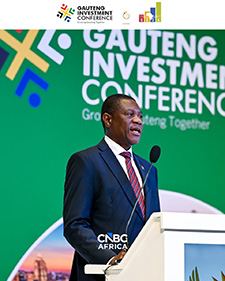
| With government pursuing a reindustrialisation agenda, Deputy President Paul Mashatile has underscored to investors the importance of strong partnerships between government and business to drive economic growth, job creation, and increased manufacturing and industrial activity. |
| |
Delivering a keynote address at the Gauteng Investment Conference 2026 (GIC 2026) in Johannesburg on Thursday, 9 April 2026, Deputy President Mashatile said government requires a solid partnership with businesses that invest in skills, support localisation, integrate small enterprises into value chains, and commit to long-term resilience.
“Re‑industrialisation is a practical, forward‑looking strategy. It recognises that productive capacity is the foundation of sustained growth. It must result in technology‑driven factories, expanded industrial output, revitalised industrial parks and Special Economic Zones, strengthened local supply chains, and dignified jobs at scale,” Deputy President Mashatile said.
In this process, he noted that government has a responsibility to de-risk investment through policy certainty, regulatory efficiency, and improved coordination across all spheres of government. |
|
|
| |
This includes crowding in private capital alongside development finance institutions and commercial lenders, while ensuring delivery, accountability, and effective project tracking.
“Without reliable energy, efficient logistics, water security, and modern digital infrastructure, industrialisation cannot take place. That is why government continues to invest in stabilising and expanding energy supply, improving rail and port systems, and strengthening water and logistics infrastructure. These are the foundations of industrial growth,” he said.
Deputy President Mashatile emphasised that the future of industrialisation is as digital as it is physical.
“Data centres, artificial intelligence, fintech, cloud infrastructure, and digital public platforms are now the backbone of modern economies. Gauteng is uniquely positioned to lead in this space—and we must leverage this advantage to build globally competitive digital industries.
“Africa remains resource‑rich but value‑chain poor. We export raw materials and import finished goods. We are connected to global markets yet insufficiently integrated within our own continent.
“The African Continental Free Trade Area (AfCFTA) gives us a platform to change this — to build regional value chains, expand intra‑African trade, and industrialise at scale,” the Deputy President said.
AfCFTA is a comprehensive and ambitious free trade agreement that seeks to bring together all 55 members of the African Union (AU) into an integrated and combined market of 1.4 billion, with a gross domestic product (GDP) of approximately US$3.4 trillion.
“Its success depends on improved cross‑border infrastructure, reduced trade barriers, aligned standards, and strong support for African businesses.
“Equally, industrialisation does not happen without investment. Investment must translate into production. Production must translate into jobs. And jobs must translate into improved livelihoods.
“Industrial growth must not be exclusionary. It must unlock opportunities for young people, township economies, and small and emerging enterprises, ensuring that growth translates into shared prosperity. This is our moment, not to extract, not to import, but to produce, innovate, and lead,” he said.
To mobilise investment, advance industrialisation, and accelerate inclusive economic growth, the Gauteng government brought together global investors, African governments, municipal leaders, development finance institutions, banks, and the private sector under one roof at GIC 2026.
The platform aims to enhance Gauteng’s position as Africa’s leading investment hub.
This year’s conference builds on the success of the inaugural event held in 2025, which secured R312 billion in investment pledges. It forms part of the province’s strategy to attract R800 billion in new investments over three years.
“Through the Gauteng Investment Conference, we are saying clearly to investors: South Africa is open for business and Gauteng is ready for execution.
“We are determined that Gauteng will lead by example in shortening regulatory timelines, coordinating across spheres of government, crowding in private capital, and supporting investors across the full project lifecycle so that commitments translate into measurable economic impact and inclusive growth,” the Deputy President said.
– Source: SAnews.gov.za |
|
| |
|
| |
| SOUTH AFRICA, GERMANY UPGRADE TIES TO STRATEGIC PARTNERSHIP AT LANDMARK BNC MEETING |
|
| |
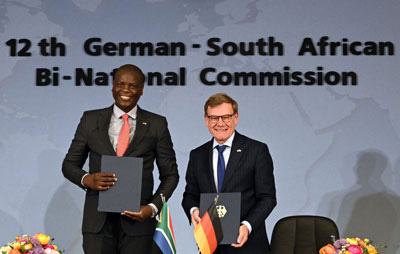
| South Africa and Germany have agreed to upgrade their bilateral relations to a Strategic Partnership, marking a major outcome of the 12th German-South African Bi-National Commission (BNC) meeting held in Berlin, Germany, on Monday, 13 April 2026. |
| |
|
|
|
 |
|
| |
In a joint press statement issued by the Department of International Relations and Cooperation (DIRCO), the two countries said the move will intensify high-level dialogue on strategic issues, including peace and security, multilateral cooperation and democratic resilience.
“Germany and South Africa will upgrade their relations to a Strategic Partnership to intensify their dialogue on strategic issues at the senior official level, including through consultation formats covering multilateral issues, conflict mediation, peace and security in Europe and Africa, regional cooperation, democratic resilience, cyber foreign policy and navy staff talks,” the statement read.
The meeting, co-chaired by International Relations and Cooperation Minister Ronald Lamola and his German counterpart, Johann Wadephul, also resulted in the signing of a Joint Action Plan consolidating outcomes across multiple sectors.
The two nations underscored the importance of stable partnerships between democratic middle powers amid global uncertainty.
“In the Joint Action Plan, the Foreign Ministers underscore that stable partnerships between middle power and democratic nations are essential in the current volatile international environment, in particular,” the joint statement said.
They further highlighted that cooperation between the countries is grounded in shared values, including a commitment to a rules-based international order guided by the United Nations Charter and international law, as well as the promotion of human rights.
“South African-German cooperation is founded on a shared commitment to the principles of a rules-based international order based on the Charter of the United Nations and international law, including the promotion and protection of human rights.
“The Foreign Ministers emphasised their shared belief that representative democracy is the most effective form of government when it comes to ensuring citizens’ freedom, security and prosperity,” the statement said.
The BNC meeting also delivered significant economic and development outcomes, including Germany’s pledge of a new €200 million concessional loan under the Just Energy Transition Partnership (JETP) and technical cooperation to accelerate grid and renewables investments, backing South Africa’s continued pursuit of more ambitious climate targets.
In addition, the countries agreed to expand cooperation on green hydrogen and battery value chains, backed by more than €270 million in German and European Union (EU) funding, and to strengthen collaboration on critical raw materials through new initiatives aimed at supporting mineral beneficiation.
Progress was also recorded in health, with enhanced cooperation on vaccine production to strengthen regional health security and foster innovation in the pharmaceutical sector.
On trade and investment, the two countries committed to intensifying cooperation and also to implement the EU-South Africa Clean Trade and Investment Partnership, notably by addressing non-tariff barriers and regulatory issues and improving framework conditions for investors, for example, in energy and transport infrastructure, through quarterly consultations between the Department of Trade, Industry and Competition (DTIC) and the Federal Ministry for Economic Affairs and Energy (BMWE).
The meeting further reinforced collaboration in education, skills development and youth employment, with expanded vocational training initiatives and academic cooperation.
Environmental protection and climate action also featured prominently, with both countries agreeing to strengthen cooperation on biodiversity, ocean protection, circular economy practices and combating environmental crimes.
The BNC, established in 1996 by former President Nelson Mandela and former German Chancellor Helmut Kohl, remains the primary mechanism guiding bilateral relations between the two countries.
– Source: www.dirco.gov.za |
|
| |
|
| |
| MINISTER LAMOLA ENGAGES HEADS OF MISSION FROM ASIA AND THE MIDDLE EAST |
|
| |
 |
|
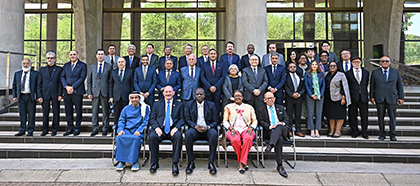
| Minister of International Relations and Cooperation, Ronald Lamola, met with resident Heads of Mission from Asia and the Middle East at DIRCO Headquarters in Pretoria on 9 April 2026. |
| |
|
|
|
| |
The engagement provided a platform for strengthening diplomatic relations and enhancing cooperation between South Africa and countries across the Asia and Middle East regions. Discussions focused on advancing shared priorities, including economic collaboration, trade, and investment, as well as fostering deeper political and strategic partnerships.
In his remarks, Minister Lamola reaffirmed South Africa’s commitment to constructive engagement and multilateral cooperation, highlighting the importance of sustained dialogue in addressing global challenges and promoting mutual development.
The meeting forms part of ongoing diplomatic efforts to reinforce South Africa’s international relations and expand its partnerships across key global regions.
– Source: Public Diplomacy Platforms |
|
| |
|
| |
| DEPUTY MINISTER ALVIN BOTES UNDERTAKES OFFICIAL VISIT TO SERBIA |
|
| |
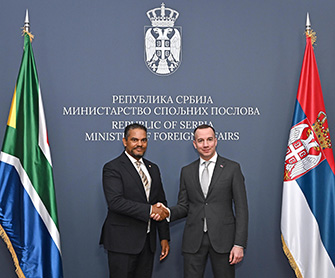
| Deputy Minister of International Relations and Cooperation, Alvin Botes, is undertaking an official visit to Serbia from 14 to 16 April 2026 to participate in the South Africa–Serbia Political Consultations. |
|
|
 |
|
| |
As part of the programme, the Deputy Minister paid a courtesy call on Serbia’s Minister of Foreign Affairs, Marko Đurić, reaffirming the strong and growing bilateral relations between the two countries.
The Political Consultations were co-chaired by Deputy Minister Botes and Damjan Jović, State Secretary in Serbia’s Ministry of Foreign Affairs. Discussions focused on strengthening diplomatic, economic and multilateral cooperation.
Ahead of the consultations, Deputy Minister Botes was hosted on a guided tour of the Diplomatic Museum by Ambassador Ljiljana Nikšić, offering insight into Serbia’s rich diplomatic history.
In advancing economic ties, the Deputy Minister also met with Marko Čadež, President of the Chamber of Commerce and Industry of Serbia, to explore opportunities for enhanced trade and investment between South Africa and Serbia.
The visit underscores South Africa’s commitment to deepening partnerships with Serbia and expanding cooperation across key sectors.
– Source: Public Diplomacy Platforms |
|
| |
|
| |
| ADVANCING ECONOMIC DIPLOMACY AND AFCFTA IMPLEMENTATION |
|
| |
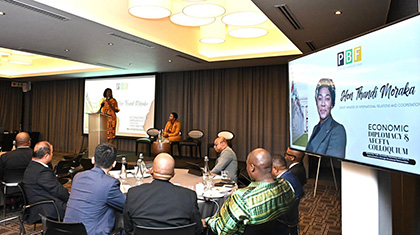
| Deputy Minister of International Relations and Cooperation, Thandi Moraka, participated in the Economic Diplomacy and AfCFTA Colloquium held on 10 April 2026 at Fire & Ice Menlyn Maine, Pretoria. Convened under the theme “Advancing Trade Economic Diplomacy & AfCFTA Implementation through Structured Partnerships”, the colloquium brought together key stakeholders to explore strategies for strengthening Africa’s trade and investment landscape. |
|
| |
 |
|
The session, directed by Onicca Kwakwa, emphasised the importance of structured partnerships in driving the effective implementation of the African Continental Free Trade Area (AfCFTA), with a focus on unlocking inclusive economic growth across the continent.
Following the colloquium, Deputy Minister Moraka engaged in an interview with Ubuntu Radio, where she expanded on South Africa’s approach to economic diplomacy. The discussion highlighted efforts to enhance trade opportunities, attract investment, and position South Africa as a strategic partner within Africa and globally. |
| |
|
|
|
| |
The engagement forms part of ongoing initiatives to advance South Africa’s economic diplomacy agenda and support the successful implementation of AfCFTA, reinforcing the country’s commitment to regional integration and sustainable development.
– Source: Public Diplomacy Platforms |
|
| |
|
| |
| DEPUTY MINISTER BOTES PARTICIPATES IN NINTH ZOPACAS MINISTERIAL MEETING |
|
| |
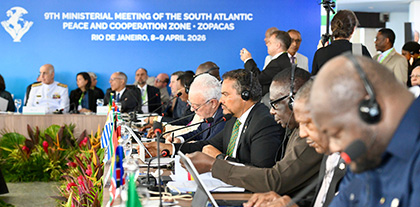
| Deputy Minister of International Relations and Cooperation, Alvin Botes, participated in the ninth Ministerial Meeting of the South Atlantic Peace and Cooperation Zone (ZOPACAS), held in Rio de Janeiro on 8 to 9 April 2026. |
| |
|
|
|
 |
|
| |
The high-level meeting brought together member states to reaffirm their shared commitment to maintaining the South Atlantic as a zone of peace, security, and sustainable development. The gathering underscored the importance of strengthened multilateral cooperation in addressing both regional and global challenges.
Key outcomes of the meeting included the signing of the Rio de Janeiro Declaration, a political commitment to advancing peace and cooperation across the region, as well as discussions on a Marine Environment Convention aimed at enhancing ecological protection. Ministers also deliberated on a new cooperation strategy spanning 14 thematic areas, with a focus on maritime security, anti-piracy efforts, denuclearisation, and socio-economic development among member states.
Deputy Minister Botes’ participation reflects South Africa’s continued commitment to regional cooperation, ocean governance, and the promotion of peace and stability within the South Atlantic region.
– Source: Public Diplomacy Platforms |
|
| |
|
| |
| SOUTH AFRICA RETURNS STOLEN HUMAN REMAINS AND SACRED EMBLEM TO ZIMBABWE |
|
| |
 |
|
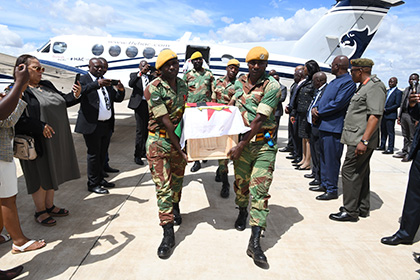
| South Africa, on Tuesday, 14 April 2026, handed back to Zimbabwe ancestral human remains and a centuries-old stone carving of its sacred national emblem, the Zimbabwe bird, stolen more than 100 years ago during the colonial era. |
| |
|
|
|
|
| |
The restitution was part of a worldwide push for the repatriation of artefacts looted from African countries during colonisation.
Eight coffins draped in the Zimbabwean flag stood at an event for the handover in a Cape Town museum which was attended by officials from both countries.
Little was known about the remains except that they were of people who had been exhumed as "scientific specimens", officials said.
One was believed to have been a tribal chief whose skull and jaw were collected in 1910, culture minister Gayton McKenzie said.
"He was somebody's leader, a lot of people's ancestor. He has been sitting in the museum drawer for 116 years," Minister McKenzie said.
Another was believed to be a man murdered over accusations of witchcraft.
"They were removed from their graves — not found, not donated," Minister McKenzie said.
Once repatriated, the remains would be returned to "where they belong", Zimbabwean government representative, Reverend Paul Damasane, said.
Identity and spirit
The soapstone carving of a Zimbabwean bird that was returned at the event was the first of several looted from the stone ruins of the ancient complex of Great Zimbabwe built in the 11th to 13th centuries, officials said.
A British explorer had ripped it from its pedestal in the late 19th century and sold it to British mining magnate Cecil John Rhodes, the 1890-1896 prime minister of the Cape Colony.
It was displayed at Rhodes's Cape Town estate, which was bequeathed to the government on his death in 1902.
“Nearly 140 years since the first one was taken and sold to Cecil John Rhodes, that very same statue is finally making its journey home," South Africa's culture ministry said.
South Africa had returned four other ancient carvings of the birds the year following the former British colony's independence in 1980, officials said.
The original grey-green birds are around 33 centimetres (13 inches) in height and most were perched on stone columns more than a metre high at Great Zimbabwe, the centre of a once-powerful civilisation.
They are the national emblem of Zimbabwe, depicted on banknotes, coins and the national flag.
Great Zimbabwe, a UNESCO World Heritage Site situated in the southeast of the country, is undergoing a US$5-million revamp funded by the French development agency that is due for completion in the coming weeks. The complex is Africa's second-largest remaining pre-colonial structure after the pyramids of Egypt.
– Source: www.iol.co.za |
|
| |
|
| |
| MINISTER STEENHUISEN HAILS AMENDMENT TO CITRUS EXPORT WITH CHINA |
|
| |
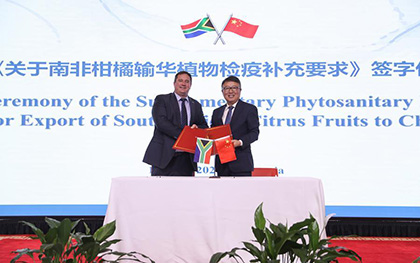
| Agriculture Minister John Steenhuisen has welcomed the successful amendment of the cold treatment requirements regulating the export of South African citrus to the People’s Republic of China, describing it as a big step forward in expanding trade opportunities and deepening an already strong partnership. |
|
|
 |
|
| |
Minister Steenhuisen said the amendment will cement South Africa’s position as the biggest exporter of citrus to China.
In a statement on Friday, 10 April 2026, the Minister highlighted that the new treatment options are expected to improve export efficiencies, reduce costs for producers and exporters, and ensure that even higher-quality fruit reaches Chinese consumers.
“In practical terms, this will help South African citrus continue to grow its presence in a market that is both dynamic and increasingly important to our agricultural sector,” the Minister said.
China remains one of South Africa’s most valued agricultural trading partners. In 2025, exports of citrus to China and Hong Kong accounted for approximately 11.5 million cartons, representing around 6% of total citrus exports, with clear potential for further growth as demand continues to expand.
Minister Steenhuisen said the latest progress builds on a series of important trade gains, including the recent opening of the Chinese market to South African stone fruits, including apricots, peaches, nectarines, plums and prunes.
Together, he said, these developments reflect a relationship that is not only growing but delivering real opportunities for South African farmers and exporters.
“South Africa places a high value on its relationship with China, which continues to create meaningful opportunities across our agricultural sector. These agreements are the result of trust, respect and sustained cooperation, and they are helping open doors for our producers at a time when diversification has never been more important,” Minister Steenhuisen said.
South Africa firmly supports China’s One China Policy, which recognises the government of the People's Republic of China as the sole legitimate authority representing China. In practical terms, this provides a stable and trusted foundation for cooperation between our two countries.
“For the agricultural sector, this certainty translates into smoother negotiations on export protocols, faster resolution of phytosanitary issues, and expanded opportunities for South African products to enter and grow in the Chinese market.
“More broadly, it strengthens investor confidence, supports trade growth, and helps unlock logistics and infrastructure partnerships, all of which are critical to driving economic growth, job creation, and long-term food security in South Africa,” the Minister said.
The citrus industry remains a cornerstone of South Africa’s agricultural performance. In 2025, Southern Africa exported approximately 204 million cartons of citrus, with South Africa contributing approximately 193 million cartons. Export earnings exceeded US$2 billion for the first time, reaching an estimated US$2.47 billion.
The sector also supports approximately 140 000 direct jobs at farm and packhouse level, with significantly broader employment across logistics, export services and international distribution.
The continued expansion of citrus exports consequently plays a crucial role in sustaining rural livelihoods and driving inclusive economic growth.
The Minister emphasised that government will continue working closely with industry stakeholders, including the Citrus Growers’ Association of Southern Africa (CGA), to strengthen trade relationships, uphold phytosanitary standards, and support the long-term growth of the sector.
“This is the kind of progress we are working to replicate across the sector – strong partnerships, growing markets, and real opportunities flowing back to farmers and rural communities,” Minister Steenhuisen said.
– Source: SAnews.gov.za |
|
| |
|
| |
| DEPUTY MINISTER LETSIKE IN NEW YORK FOR ECOSOC YOUTH FORUM |
|
| |
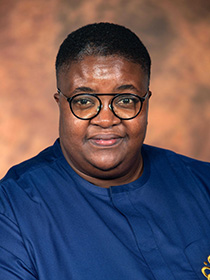
| Deputy Minister in the Presidency for Women, Youth and Persons with Disabilities, Mmapaseka Steve Letsike, has arrived in New York to participate in the 2026 United Nations Economic and Social Council (ECOSOC) Youth Forum. |
|
| |
 |
|
In a statement on Sunday, 12 April 2026, the Department of Women, Youth and Persons with Disabilities said the forum will take place from 14 to 16 April 2026 at the United Nations Headquarters.
The forum, convened by the ECOSOC, serves as a global platform bringing together young leaders, policymakers and development partners to discuss innovative, youth-led solutions to accelerate the implementation of the Sustainable Development Goals (SDGs).
South Africa’s participation in platforms such as the ECOSOC Youth Forum aims to strengthen youth voices and promote policies on skills development, youth employment and entrepreneurship support.
According to the department, this aligns with the country’s National Youth Policy, which seeks to advance inclusive youth empowerment.
Speaking upon her arrival in New York, Deputy Minister Letsike said South Africa’s participation underscores its commitment to ensuring that young people are represented in global decision-making processes.
“South Africa will participate in the United Nations Youth Forum 2026, also known as ECOSOC, convened by the United Nations Economic and Social Council. The ECOSOC Youth Forum is a global platform where young people engage directly with the global leaders to shape solutions to the world's biggest challenges.
|
|
|
| |
“It places youth at the centre of decision-making, while driving actions towards achieving the sustainable development goals and holding governments accountable,” Letsike said.
She added that the forum represents a shift towards more inclusive governance.
“ECOSOC Youth Forum is a direct line of sight to power. It embodies a shift in global governance towards participatory, inclusive and intergenerational decision-making.
"Through the Department of Women, Youth and Persons with Disabilities, our government continues to prioritise youth development by expanding access to skills, supporting entrepreneurship and creating pathways to employment,” she said.
Deputy Minister Letsike emphasised that the country’s participation reflects South Africa's commitment to building multilateral cooperation grounded in solidarity and shared responsibility.
“It affirms our belief that challenges facing humanity cannot be solved in isolation. We are a nation that works for all. Let us ensure that no young person is left behind,” the Deputy Minister said.
– Source: SAnews.gov.za |
|
| |
|
| |
| TALKS ON EFFORTS TO ACCELERATE CLIMATE CHANGE ADAPTATION UNDERWAY |
|
| |
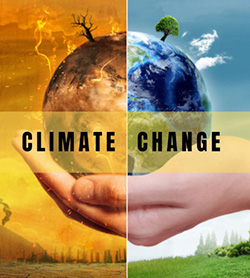
| The Government of South Africa is hosting representatives from Kenya, Ghana, and the Netherlands in Johannesburg for discussions on strengthening national action to adapt to climate change impacts. |
| |
“Successful adaptation requires an integrated approach. This includes factors that turn adaptation planning into reality, from effective governance and institutional arrangements to active engagement with key actors and strong mechanisms to track progress,” Ambassador of the Netherlands to South Africa, Joanne Doornewaard, said.
The four-country peer learning event will explore approaches for how to move national priorities for climate change adaptation through planning processes to implementation in an effective, inclusive way.
The event, starting on Tuesday until Thursday, is co-hosted by the National Adaptation Plan (NAP) Global Network for countries to learn from one another on climate action.
It will unpack how countries are preparing to implement the climate change adaptation priorities outlined in their NAPs. |
|
|
 |
|
| |
"The National Climate Change Adaptation Strategy (NCCAS)/NAP acts as a common reference point for climate change adaptation efforts in South Africa, guiding all levels of government, private sectors, and stakeholders affected by climate variability and change.
“It is a policy instrument in which national climate change adaptation objectives for the country can be articulated to provide overarching guidance to all sectors of the economy," Department of Forestry, Fisheries and the Environment Chief Director for Climate Change Adaptation Tlou Ramaru said.
The event will explore at the technical level how countries can implement the adaptation priorities set out in NAPs.
“We are here to listen and learn alongside our partners from South Africa, Ghana, and Kenya, as we collectively work to advance national adaptation planning and action,” Doornewaard said.
The Government of the Netherlands, which is also responding to climate hazards through innovative solutions, actively collaborates with African partners on climate change adaptation, including projects focused on water security, agricultural and urban resilience.
This peer learning event builds on these efforts, fostering knowledge exchange and joint solutions to shared challenges through national adaptation planning processes.
On the international level, the NAP process was established under the United Nations Framework Convention on Climate Change (UNFCCC) in 2010 for countries to identify and address their medium- and long-term priorities for adapting to climate change.
The landmark 2015 Paris Agreement calls on countries to undertake national adaptation plan processes, and almost every country in the world has a NAP process underway.
“We are seeing more momentum on national adaptation plan processes than ever before. Through this peer learning event, we are aiming to strengthen the enablers that can allow countries to take effective adaptation action through their NAP processes,” said Dr Orville Grey, the Head of Secretariat for the NAP Global Network, which is hosted by the International Institute for Sustainable Development.
The NAP Global Network helps accelerate climate change adaptation efforts around the world by supporting partner countries in advancing their NAP processes.
Peer learning is a key pillar of the NAP Global Network’s support to countries on NAP processes, and it has engaged more than 1,000 adaptation planners from 84 countries to participate in peer learning.
This peer learning event is taking place with funding from the Government of the Netherlands.
– Source: SAnews.gov.za |
|
| |
|
| |
| KZN TREASURY ENGAGES INDIA ON DIGITAL PROCUREMENT REFORM |
|
| |
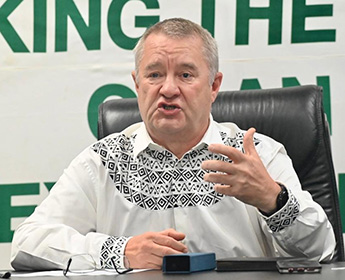
| KwaZulu-Natal MEC for Finance Francois Rodgers has welcomed the comprehensive engagement held with the Government of India on its Government e-Marketplace (GeM) — a world-class digital public procurement platform designed to enhance transparency, efficiency and inclusivity in government procurement systems. |
|
|
 |
|
| |
Rodgers noted the strong alignment between the principles underpinning the GeM platform and KwaZulu-Natal’s own efforts to modernise procurement through digital reform.
The GeM platform, which operates as a fully digital, rule-based and transparent procurement marketplace, has been instrumental in reducing human transactional interfaces, improving price determination, expanding supplier participation, particularly among small and emerging enterprises, and strengthening audit trails within public procurement processes.
Rodgers said KwaZulu-Natal Treasury is pursuing a similar vision through the implementation of the provincial digital procurement plan aimed at modernising procurement practices, strengthening financial governance, and curbing inefficiencies and opportunities for maladministration.
“The engagement with the Government of India confirms that KwaZulu-Natal is on the right path in its digital procurement reform journey. Digital procurement platforms are critical for building capable institutions, improving oversight, and restoring public trust in the management of public resources,” Rodgers said in a statement on Wednesday.
He said the KwaZulu-Natal government remains open to learning, development and partnership with other governments and institutions that have successfully implemented innovative reforms in public financial management.
“We recognise that no government operates in isolation. There is value in learning from international best practice and adapting proven systems to strengthen service delivery outcomes and ensure value for money for our citizens,” he said.
The engagement forms part of KwaZulu-Natal Provincial Treasury’s broader commitment to advancing the vision of an ethical and capable State, where public finances are managed transparently and procurement systems directly support inclusive economic growth and improved service delivery.
Under Rodgers’ leadership, the department is expected to continue exploring collaborative opportunities, knowledge exchange platforms, and reform partnerships aimed at strengthening governance, accountability, and institutional capacity across the province.
– Source: SAnews.gov.za |
|
| |
|
| |
| TABLE MOUNTAIN NOMINATED FOR AFRICA’S TOP TOURISM AWARD AGAIN |
|
| |
 |
|
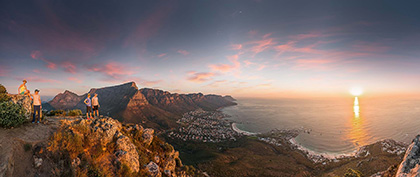
| Cape Town’s iconic Table Mountain is once again in the global spotlight after being nominated for Africa’s Leading Tourist Attraction at the 2026 World Travel Awards. |
|
|
| |
The nomination, announced by the Table Mountain Aerial Cableway Company, marks another opportunity for South Africans to rally behind one of the country’s most recognisable natural landmarks. Often described as the “Oscars of the travel industry,” the World Travel Awards celebrate excellence across global tourism and hospitality.
Voting officially opened on 30 March and will run until 17 July 2026, with winners determined by public vote. This means both local and international support will play a crucial role in securing the title.
Recognised as one of the New7Wonders of Nature, Table Mountain has built a strong reputation at the awards, having previously won Africa’s Leading Tourist Attraction five times between 2014 and 2022. Its continued nomination highlights its status as a must-visit destination and a symbol of South Africa’s natural beauty.
“This nomination is a proud moment for Cape Town and South Africa as a whole,” said Wahida Parket. “Table Mountain is more than a landmark – it’s a symbol of our natural heritage and a world-class attraction that continues to inspire visitors from across the globe.”
Operated within the Table Mountain National Park, the cableway offers visitors a safe and accessible way to experience the mountain, with panoramic views attracting millions of tourists each year.
As global competition intensifies, the 2026 nomination presents an opportunity for South Africans to once again showcase Cape Town on the international stage. Supporters are encouraged to cast their votes online by selecting the Africa region and choosing Table Mountain in the relevant category.
With its rich history, breathtaking scenery and global appeal, Table Mountain remains a powerful symbol of national pride – and this latest nomination reinforces its place among the world’s leading travel destinations.
– Source: www.capetownetc.com |
|
| |
|
| |
| MAJOR BOOST FOR CRUISE TOURISM AS QUEEN MARY 2 DOCKS IN DURBAN |
|
| |
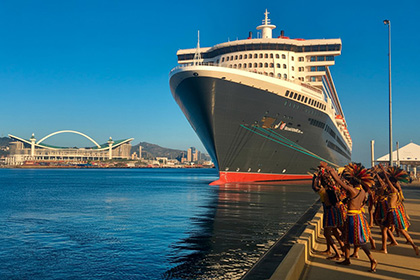
| As a highlight of the bumper 2025/26 cruise season, Durban welcomed the iconic ocean liner, “Queen Mary 2”, at the Nelson Mandela Cruise Terminal on 9 April 2026. |
|
| |
One of the largest and most distinguished ocean liners in the world, Queen Mary 2 offers an unmatched luxury experience rooted in British heritage and elegance. The vessel is currently on a 109-day “full world voyage” that began in Southampton in January.
Docking in the city presented a unique opportunity to cast the spotlight on Durban’s vibrant heritage, world-class port facilities and renowned hospitality.
Visitors were warmly welcomed with a range of performances, which included the KwaZulu-Natal Philharmonic Orchestra. Passengers were guided on city tours to explore key tourism attractions such as uShaka Marine World, the beach promenade, Ithala Game Reserve and the Phezulu Safari Park, among others.
The Queen Mary 2 brought around 4 500 international visitors to the city, with its passenger capacity between 2 640 and 3 271, supported by a crew of around 1 250 members. |
|
|
 |
|
| |
The arrival further underscores Durban’s growing stature as a premier cruise destination. Since the development of the Nelson Mandela Cruise Terminal in 2021, the city has experienced a steady increase in international cruise traffic, contributing to the recovery and expansion of international tourism.
The 2025/26 cruise season has already demonstrated strong momentum, having commenced earlier than usual in September last year – an indication of increasing global confidence in Durban as a port of call.
Between December 2025 and April 9, 2026, Durban has welcomed 27 cruise vessels and expects additional arrivals before the end of the season. The forward outlook remains positive, with confirmed cruise liners scheduled to arrive in Durban through to 2028. This further positions eThekwini for sustained growth and increased economic impact.
This continued growth is also attributed to Durban Tourism’s focused cruise tourism strategy in collaboration with key strategic partners like MSC Cruises and the KwaZulu-Natal Tourism and Film Authority (KZNTAFA). Interventions include participation in the annual Sea Trade Cruise Global in Miami: a strategic platform to strengthen relationships with global cruise line executives, showcase Durban’s cruise offerings and position the city as a competitive destination within international cruise itineraries.
A Durban Tourism delegation, in partnership with KZNTAFA, will again participate in the Sea Trade Cruise Global 2026 in Miami to cultivate business for cruise tourism.
Participation in the event has already yielded positive results, with new cruise liners docking in Durban. The success was further reinforced by the return of the Queen Mary 2 to Durban and the introduction of the Queen Anne cruise liner to the city in recent seasons. This reflects the confidence of leading global cruise operators in Durban’s offerings. The destination continues to attract high-value international travellers from key markets including the United Kingdom, the United States and Europe.
The city is proud to showcase its hospitality and attractions to the thousands of international tourists who arrived on Queen Mary 2, further strengthening Durban’s reputation as a gateway to Africa’s cruise tourism.
– Source: www.tourismupdate.com |
|
| |
|
| |
| SOUTH AFRICAN PROFESSOR HONOURED FOR GROUNDBREAKING RESILIENCE RESEARCH |
|
| |
 |
|
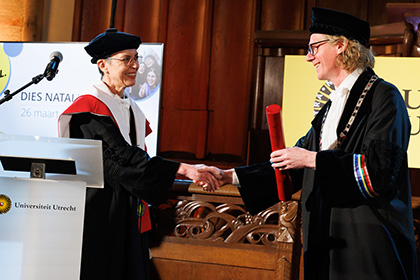
| A leading South African academic has been recognised on the global stage, with Professor Linda Theron from the Department of Educational Psychology in the Faculty of Education at the University of Pretoria receiving an honorary doctorate from Utrecht University. The degree was officially conferred in March during the institution’s Dies Natalis celebration. |
|
|
| |
The recognition speaks to more than two decades of impactful research, during which Professor Theron has helped reshape how resilience is understood, particularly among children and young people facing adversity. Rather than viewing resilience as something individuals must develop on their own, her work highlights the role of relationships, communities, and broader systems in supporting young people to cope and thrive.
In her acceptance speech, Professor Theron reflected on the lived realities of many young people, noting that “deprivation, discrimination, disrupted schooling, and climate-related distress do not tell the whole story of their lives”. She emphasised that resilience is built through connection.
“Caring and connection between young people and their social, cultural, and physical ecologies”.
Utrecht University’s Dynamics of Youth research unit, which motivated for the award, pointed out that her work strongly aligns with its focus on Caring and Connecting. The unit also recognised her role in advancing multisystemic approaches that bring together educators, mental health professionals, policymakers, and communities to create supportive environments where young people can flourish.
Although Professor Theron has not directly collaborated with Utrecht University, her research has already influenced the thinking of its scholars. Her emphasis on co-creating resilience with communities and valuing local and indigenous knowledge systems has been particularly impactful in shaping global conversations in this field.
When reflecting on the honour, she emphasised that it’s not hers alone.
“A cogent reminder of the ongoing duty to advocate for policy and practices that strengthen the ecologies that create the conditions that enable resilience. It belongs equally to the young South Africans who respond adaptively to stress-saturated realities and the social, cultural and physical ecologies that partner in their resilience processes”.
She also acknowledged the many collaborators, students, and funders across Africa and beyond who continue to contribute to research grounded in care, connection, and meaningful social change.
– Source: www.goodthingsguy.com |
|
| |
|
| |
| FIRST-EVER EGG OF A MAMMAL ANCESTOR HAS BEEN DISCOVERED BY WITS PROFESSORS |
|
| |
| Scientists have made a jaw-dropping discovery of the very first egg ever found from a mammal ancestor. The breakthrough centres on the Lystrosaurus, a distant ancestor of modern mammals that survived the worst mass extinction our planet has ever seen. |
| |
About 252 million years ago, Earth went through its darkest chapter. The End-Permian Mass Extinction, often called “The Great Dying”, wiped out the vast majority of all species on the planet. Volcanic eruptions, extreme heat, and long droughts made conditions nearly impossible for life back then.
Lystrosaurus, on the other hand — a stocky, plant-eating creature roughly the size of a pig — somehow survived and actually thrived.
For decades, scientists have puzzled over how it managed this. Now a groundbreaking study published in the journal PLoS ONE has finally provided a key piece of the answer that was hidden inside a fossilised egg.
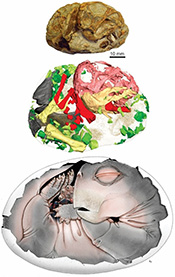
An international team led by Professor Julien Benoit and Professor Jennifer Botha of the Evolutionary Studies Institute at the University of the Witwatersrand in Johannesburg, along with Dr Vincent Fernandez of the European Synchrotron Radiation Facility in France, have confirmed the existence of a Lystrosaurus egg containing an embryo dating back approximately 250 million years. |
|
|
 |
|
| |
This is the first time in history that an egg from a mammal ancestor has ever been conclusively identified.
Lystrosaurus embryo within its partially preserved shell, photograph of the fossil. Supplied by GENUS, University of the Witwatersrand.
The story began almost two decades ago in 2008, during a field expedition led by Professor Botha.
“This fossil was discovered during a field excursion I led in 2008, nearly 17 years ago. My preparator and exceptional fossil finder, John Nyaphuli, identified a small nodule that at first revealed only tiny flecks of bone. As he carefully prepared the specimen, it became clear that it was a perfectly curled-up Lystrosaurus hatchling. I suspected even then that it had died within the egg, but at the time, we simply didn’t have the technology to confirm it,” says Professor Botha.
The fossil sat with its secret locked inside until modern technology could catch up, and it finally did when the team used a synchrotron, which is essentially an enormously powerful X-ray machine, at the European Synchrotron Radiation Facility in France.
This tech can scan ancient fossils in extraordinary detail without damaging them, revealing even the tiniest structures inside.
“Understanding reproduction in mammal ancestors has been a long-lasting enigma, and this fossil provides a key piece to this puzzle. It was essential that we scanned the fossil just right to capture the level of detail needed to resolve such tiny, delicate bones,” says Dr Fernandez, describing the thrilling discovery.
The scans revealed a critical clue that the baby’s lower jaw had not yet fused together. In animals, the lower jaw is made up of two halves that must join before the creature can eat, meaning this individual would have been completely incapable of feeding itself.
“When I saw the incomplete mandibular symphysis, I was genuinely excited,” says Professor Benoit. “The mandible, the lower jaw, is made up of two halves that must fuse before the animal can feed. The fact that this fusion had not yet occurred shows that the individual would have been incapable of feeding itself.”
What this means, in other words, is that this tiny creature had never eaten a meal. Despite no eggshell being preserved in the fossil, the jaw development confirmed the creature had died before hatching, still inside the egg.
These eggs were likely soft-shelled, more like the eggs of some modern reptiles than the hard-shelled eggs of dinosaurs. That’s why they’re so rare as fossils. Soft shells don’t preserve well, meaning this find confirms something exceptionally extraordinary.
The fact that mammal ancestors did, in fact, lay eggs is the headline answer to a question scientists have debated for over 150 years.
It gets even more fascinating. The research suggests that Lystrosaurus laid large eggs relative to its body size. Larger eggs contain more yolk, a nutrient-rich food source that feeds a developing embryo. This means the babies could grow and develop fully inside the egg, without needing their mother to feed them after hatching.
This tells us two more important things. One, that Lystrosaurus almost certainly did not produce milk for its young, unlike modern mammals. And two, that the hatchlings were likely precocial, meaning they were born at an advanced stage of development, ready to fend for themselves almost immediately after hatching.
The discovery provides the first direct evidence of egg-laying in mammal ancestors and also offers an explanation for how the Lystrosaurus came to thrive.
Professor Botha reflects on a discovery nearly two decades in the making.
“What makes this work especially exciting is that we were able to quite literally follow in John Nyaphuli’s footsteps, returning to a specimen he discovered nearly two decades ago and finally solving the puzzle he uncovered. At the time, all we had was a beautifully curled embryo, but no preserved eggshell to prove it had died within an egg. Using modern imaging techniques, we were able to answer that question definitively,” she says. “It is also thrilling because this discovery breaks entirely new ground. For over 150 years of South African palaeontology, no fossil had ever been conclusively identified as a therapsid egg. This is the first time we can say, with confidence, that mammal ancestors like Lystrosaurus laid eggs, making it a true milestone in the field”.
Professor Benoit says this matters not just for what it tells us about the past but for the impact it brings to the modern context.
“This research is important because it provides the first direct evidence that mammal ancestors, such as Lystrosaurus, laid eggs, resolving a long-standing question about the origins of mammalian reproduction. Beyond this fundamental insight, it reveals how reproductive strategies can shape survival in extreme environments: by producing large, yolk-rich eggs and precocial young, Lystrosaurus was able to thrive in the harsh, unpredictable conditions following the end-Permian mass extinction. In a modern context, this work is highly impactful because it offers a deep-time perspective on resilience and adaptability in the face of rapid climate change and ecological crisis. Understanding how past organisms survived global upheaval helps scientists better predict how species today might respond to ongoing environmental stress, making this discovery not just a breakthrough in palaeontology, but also highly relevant to current biodiversity and climate challenges.” he explains.
Scientists believe that understanding how life survived Earth’s worst-ever extinction event can offer lessons for our own time in a period of rapid climate change, habitat loss, and species decline. Lystrosaurus teaches us that when the world falls apart, the survivors are often those who adapt their most fundamental biology.
– Source: www.goodthingsguy.com |
|
| |
|
| |
| SOUTH AFRICA’S BLUE TRAIN RANKS 14TH GLOBALLY FOR LUXURY AND EYE-CATCHING BEAUTY |
|
| |
| South Africa’s iconic Blue Train just landed on a global rankings list celebrating how eye-catching the experience is. |
|
| |
|
| |
The Blue Train is one of the world’s most luxurious locomotive experiences, and it is right here in South Africa. The stunning train runs from Pretoria to Cape Town, offering a look at the sweeping views of South Africa, across a 1 600 km journey. While it celebrates 10 years of Luxury accolades from the World Travel Awards, the proudly South African experience has a new global ranking to add to the list.
Curated by InsureandGo, a new eye-tracking study has ranked the top 15 most eye-catching experiences, and South Africa slots right in with popular destinations such as Japan and Switzerland, which are famous for their locomotive experiences. Scoring a 75.5 of 100, The Blue Train ranks 14th on the list.
The eye-tracking study helped to identify the most visually pleasing journeys of all. The research analysed multiple landscapes from each train route, tracking viewers’ eye movements to see which scenery was the most eye-catching of all and which held their attention the longest.
“Travelling by train is a huge draw for many holidaymakers but specifically those looking for slower and more sustainable ways to explore. With so many beautiful routes around the world, we wanted to reveal once and for all which journeys are the most visually appealing. We hope the research provides lots of inspiration for your 2026 travels.
“Of course, as scenic as any trip can be, unexpected events can happen, so it’s always a smart idea to sort your travel insurance as soon as you’ve booked so your trip is protected and you can simply focus on enjoying it.” – Letitia Smith, Head of Communications at InsureandGo.
– Source: www.goodthingsguy.com |
|
| |
|
| |
| GERDA STEYN HAPPY TO ACHIEVE TARGET OF SEVENTH TWO OCEANS ULTRA TITLE IN A ROW |
|
| |
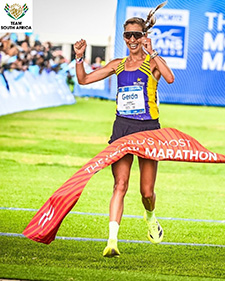
| Gerda Steyn romped to a seventh Totalsports Two Oceans Ultra Marathon title in a row on Saturday morning in a time of 3:27:43. |
|
| |
South Africa’s ultra-marathon queen Gerda Steyn was in seventh heaven after securing her seventh straight Two Oceans Ultra title in Cape Town on Saturday morning, 11 April 2026.
The Hollywood Athletics Club ace breasted the tape at the University of Cape Town sports fields in a blistering time of 3:27:43 – the only runner in the top 10 to dip below the magical 3:30 mark after 56 gruelling kilometres.
Kenya’s Margaret Jepchumba finished second in a time of 3:33:31, with Nobhukhosi Tshuma third (3:38:41) in a top 10 dominated by foreign athletes who all crossed the line in under four hours.
The 36-year-old Steyn produced a polished tactical performance. She pulled away from Jepchumba moments after going through the marathon mark in 2:34:34, eventually finishing more than six minutes ahead of the reigning Soweto Marathon champion.
The "Smiling Assassin" blew kisses to the crowd in her trademark celebration on her way to the second-fastest time of her Two Oceans Marathon career.
"To win a seventh consecutive Two Oceans in a row, so for that I'm very happy and I feel like I did what I set out to do," Steyn told media during the post-race press conference. |
|
|
 |
|
| |
"I knew it would be a challenging race with a very strong women's field. I knew my competitors would be looking at how I won six in a row and try to find ways to challenge me. So I knew that what I set out to do was not going to come easily, and that's what it felt like today.
"There were so many ladies around until a very late stage in the race, so it was going through my mind the entire time that winning is my goal here and I need to do everything in my power to win this race, but I still needed to keep the pace at a high level because that was what it was going to take to win the race.
“I didn’t break the record, but I’m still happy with my race and am really happy with my time. It’s a completely successful day for me."
Arthur Jantjies, meanwhile, was a surprise winner of the men’s race in a time of 3:09:25. The Pan African Resources runner pipped former champion Onalenna Khonkhobe to the line with a late burst of speed in the final few kilometres.
Nedbank Running Club star Khonkhobe had to settle for second (3:10:00), while Zimbabwean ultra-marathon debutant Blessing Waison (03:11:13) completed the podium.
“It’s a phenomenal step, a big step. It’s history,” said 25-year-old Jantjies from Hopetown, a small town 120 km outside Kimberley. “I’m just a small-town boy winning Two Oceans. That’s something really special.”
After shaking off the attentions of Hollywood AC’s Tsepo Ramashamole just after the marathon mark, Waison was the first man to crest Constantia Nek. Khonkhobe, defending champion Joseph Seutloali and Jantjies gave chase. Waison was caught at 49 km as the trio hurtled towards the finish, with Khonkhobe making his move at the 51 km mark.
Seutloali faded badly but Jantjies kept in touch with the 2024 champion and then surged away from him just before Chet’s Hill to claim a famous 35-second victory over his friend and rival.
“I know he (Khonkhobe) is faster than me, but in training we always pick up in the last 8km. I stayed close to him, and he gave up too quickly. Then I told myself I’m going to strike now,” Jantjies said.
Running in only his second ultramarathon after claiming sixth position at the 2025 City to City Marathon, Jantjies gave credit to his coach, John Hamlett, for putting him through a tough high-altitude training camp just after he joined the Pan African Resources Club at the beginning of the year.
“It was better for me to come through like a cannon ball. It’s the first major title for my town in the Northern Cape. Winning this race opens doors because it puts my name somewhere.”
– Source: www.iol.co.za |
|
| |
|
| |
| NDEBELE SECURES MAIN EVENT WIN AS PFL AFRICA THRILLS PRETORIA CROWD |
|
| |
 |
|
| Nkosi Ndebele secured a main event victory while local fighters, including Justin Clarke, delivered spirited performances in front of an energetic Pretoria crowd. |
| |
Pretoria turned it all the way up as the Professional Fighters League made its return to African soil, delivering a night of high-energy action and memorable moments at the SunBet Arena. With a packed crowd behind them, South African fighters stepped into the spotlight and made sure the occasion lived up to the hype.
|
|
|
| |
Leading the charge was Nkosi Ndebele, who rose to the moment in the bantamweight main event. Taking on Italy’s Michele Clemente, Ndebele held his composure in a fast-paced and physical contest, using sharp counters and smart movement to stay one step ahead. In front of an electric home crowd, he secured a unanimous decision victory.
The co-main event brought just as much drama, with Justin Clarke going head-to-head with Senegal’s Abdoulaye Kane in a heavyweight clash that had fans on their feet. Clarke found himself under early pressure but showed grit and resilience, fighting back in a back-and-forth exchange that highlighted his determination. While the result didn’t go his way, his performance drew loud support from the Pretoria crowd, who appreciated the heart he showed inside the cage.
Beyond the headline bouts, the event showcased the depth of talent across the continent. Fighters from across Africa delivered a series of decisive performances, with several bouts ending inside the distance and setting up exciting matchups for the next round of the competition.
South Africa also had reason to celebrate in the welterweight division, where Peace Nguphane produced a composed performance to earn a decision victory, much to the delight of the home supporters. His win added to the night’s local highlights and ensured the crowd had plenty to cheer about from start to finish.
Fans filled the arena, bringing energy and noise that lifted the fighters and added to the occasion. From the opening bout to the main event, the sense of anticipation never dropped, with each fight adding another layer to a successful debut for the promotion on South African soil.
The event also marked the beginning of what promises to be a growing presence for PFL Africa, with future events already lined up across the continent.
The event continues to be a celebration of African MMA and a reminder of the passion that exists for the sport locally.
– Source: www.goodthingsguy.com |
|
| |
|
| |
| MBEKEZELI MBOKAZI FLIES THE SOUTH AFRICAN FLAG HIGH AFTER MAN OF THE MATCH PERFORMANCE |
|
| |
| South African defender Mbekezeli Mbokazi continues to fly the South African flag abroad, and his latest performance is one to celebrate. |
|
| |
 |
|
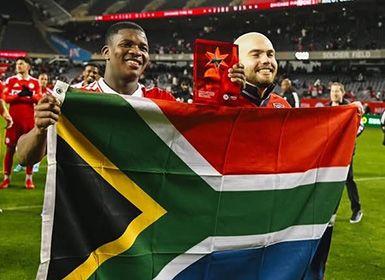
In a video that’s been doing the rounds online, Mbokazi is seen proudly receiving his Man of the Match award, draped in the South African flag. It’s a powerful moment, one that’s got fans back home smiling as he continues to fly the flag high in the United States.
The standout display came as Chicago Fire FC secured a hard-fought 1-0 victory over Nashville SC at Soldier Field. It was a tight contest, but Mbokazi’s presence at the back made all the difference.
The defender put in a full 90-minute shift, showing composure in defence. Partnering with Captain Jack Elliott from the start, Mbokazi helped keep things organised at the back before Christopher Cupps came on later in the match.
For Mbokazi, though, it was more than just another solid performance. Being recognised as Man of the Match, wrapped in the South African flag, added an extra layer of pride to an already big night. Seeing local talent thrive on international stages while still carrying a piece of home with them.
– Source: www.goodthingsguy.com |
|
|
| |
|
| |
|
|
|
|
|
|
|
|